
 Arti Intel
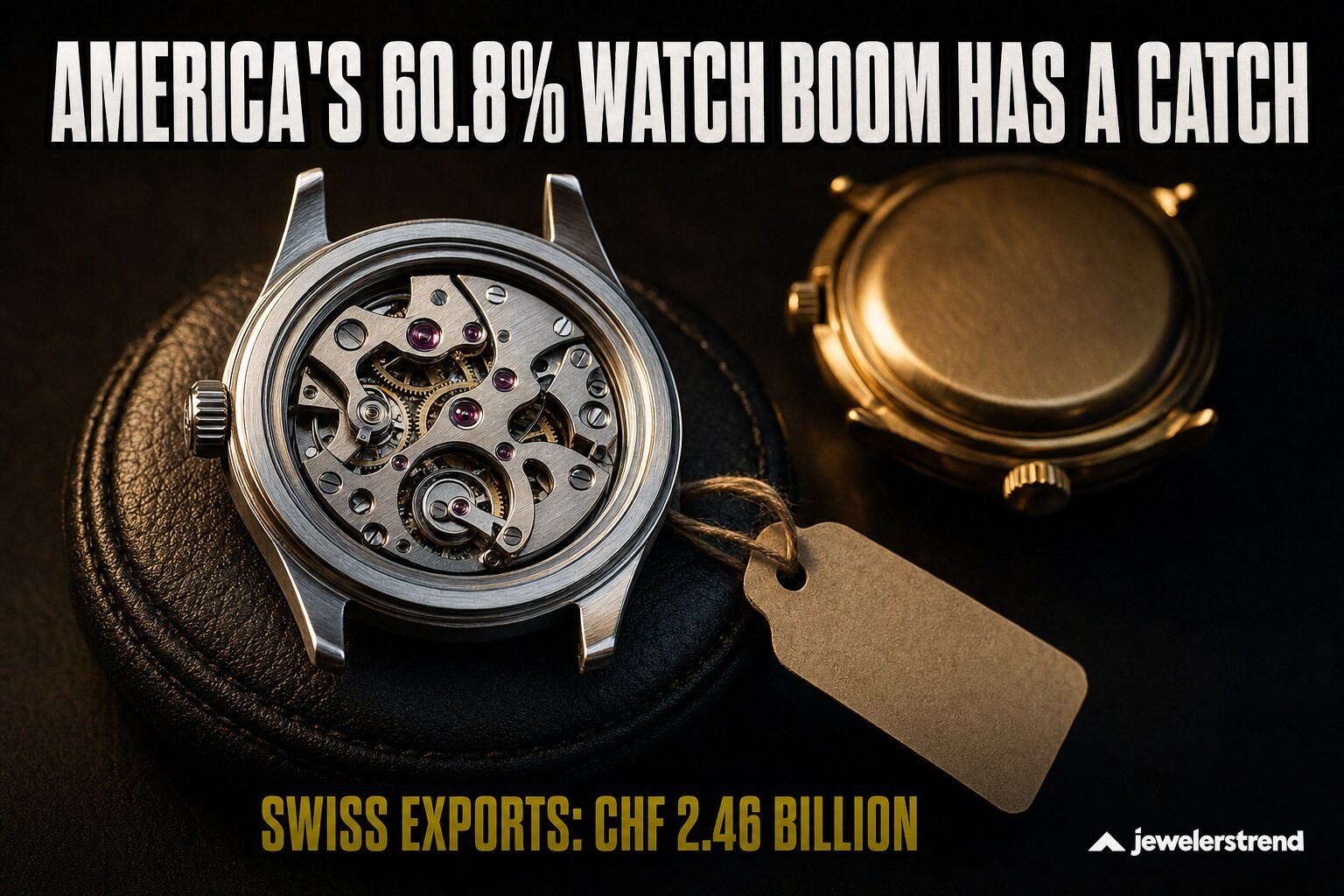
The Federation of the Swiss Watch Industry released its October numbers on Thursday, Nov 19, and the total looks healthy: exports up 9.1% to CHF 2.46 billion ($2.92 billion). Year to date, January through October, the industry has shipped CHF 21.918 billion, up 3.4%. On a dealer floor, though, the total is the least useful line in the release. What moved, where it went and what it was made of tell you far more about what will be sitting in cases come spring.
Steel did the work
Steel watches rose 11.2% in value in October. Precious-metal models rose 0.4%. That gap is the story of the month for anyone who buys and sells for a living. Steel sport pieces have been the liquid end of the secondary market for years, and the export data suggests the brands are still shipping into that demand. The gold and platinum references that carry the biggest retail tickets barely moved.
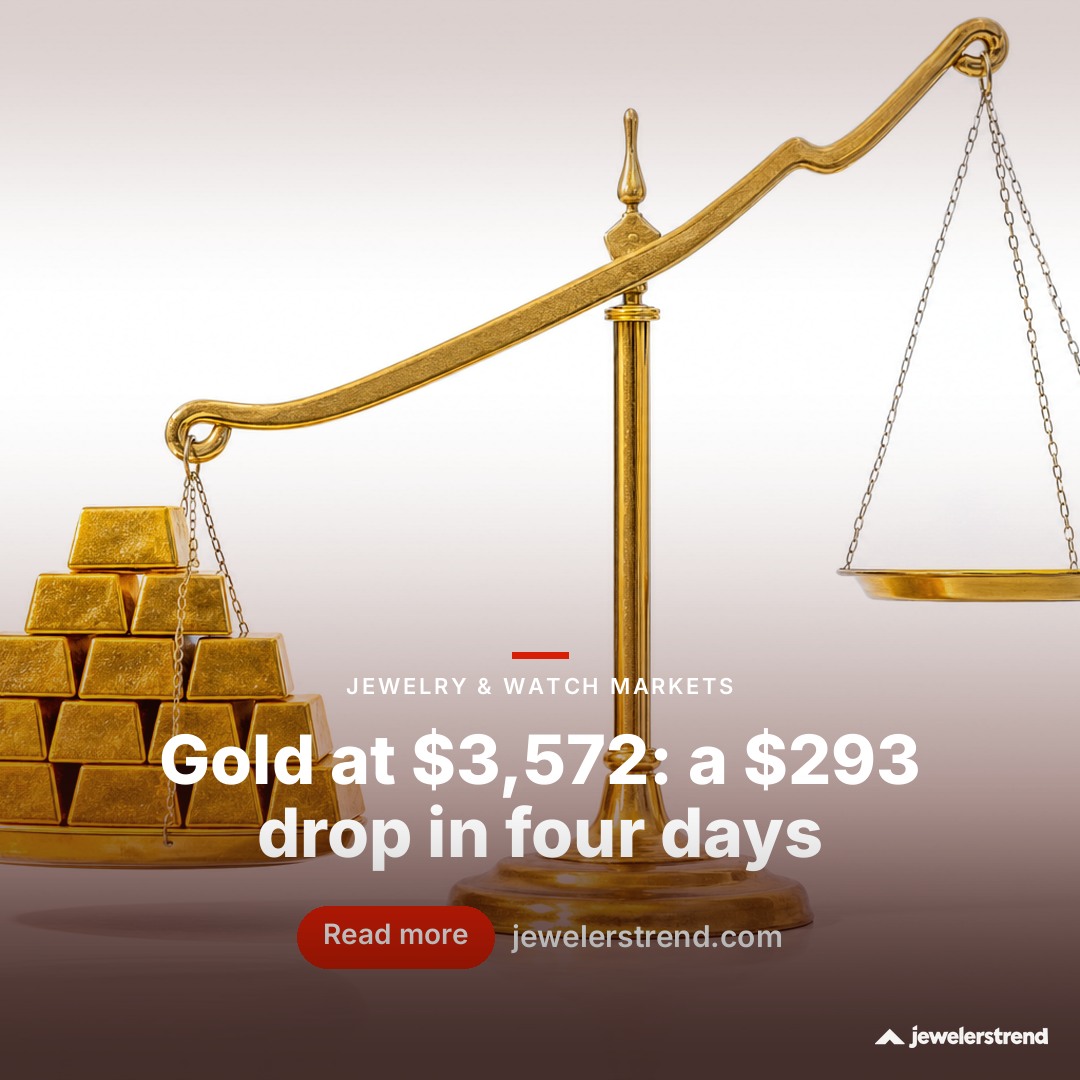
Part of that is price. The FH's own commentary warns that rising gold prices, the strong Swiss franc and US tariffs could all squeeze margins. A brand that set its precious-metal pricing while bullion was climbing has two choices: absorb the metal cost or pass it through, and neither encourages volume. Spot has now fallen hard, as covered in our gold report on the drop to $3,572, so the next question is whether brands will hold their gold-case list prices. I would not bet on cuts before the holidays. The week's job news from Cortaillod, covered in Richard Wrighterson's industry report, shows at least one company already hunting for savings.
The entry level jumped
The other line that stood out: watches priced at CHF 500 and below rose 23.5% in value. That is a big number for a segment the boutique end of the trade usually ignores. Whether it reflects real consumer demand or restocking in the channel, the FH figure alone does not say. What it does say is that the cheapest Swiss watches outgrew steel, precious metal and the market as a whole in October.
America's 60.8% needs an asterisk
Exports to the US rose 60.8% in October. Before anyone reads that as American collectors on a buying spree, look at the base. In October 2025, US exports had fallen 46.8% when Washington imposed 39% tariffs on Switzerland. The FH itself describes this year's jump as helped by an easy comparison after last year's tariff-driven swings.
Put plainly, October 2026 is being measured against a month when shipments to the US had been cut nearly in half. A rebound from that hole was always going to look dramatic. The real test comes in the months where last year's base was not distorted, and the federation's warning that US tariffs could squeeze margins suggests it is not treating the issue as closed.
Asia and the Gulf
Outside the US the picture is uneven. Hong Kong rose 7.3%. Japan slipped 2.1%. Mainland China fell 12.1%, and the UAE dropped 3.2%. China is the number that should worry the brands most. A double-digit monthly decline in that market is not something one strong American month offsets. Hong Kong's gain is welcome, but anyone who has worked the Asian grey channel knows Hong Kong flows do not always stay in Hong Kong.
France rose 101.6%, which the FH attributes mainly to re-exports. That is a logistics figure, not Paris retail, and nobody should build a buying plan on it.
What Geneva said about the top end
The export data covers new watches leaving Switzerland. The Geneva rooms covered the other end of the market earlier this month and told a different story about demand at the top. Phillips' Geneva Watch Auction XXIV totaled CHF 92,045,568 (US$112,277,184) on Nov 7 and 8 with all 217 lots sold, led by F.P. Journe's Régence at CHF 8,680,500. Christie's Rare Watches on Nov 9 reached CHF 47,824,592, the house's highest watch auction total, with a Patek Philippe 1518 at CHF 1.08 million and a Nautilus Khanjar at CHF 1.02 million. Sotheby's Important Watches totaled CHF 26,317,216, with all but one of 181 lots sold. The full week is recapped in this week's trade wrap.
The contrast is the useful part. Phillips alone had 17 lots above CHF 1 million and set 24 world records, while factory shipments of precious-metal watches went nearly flat. For a boutique buyer, that suggests the money is still there for scarcity and provenance, not for one more gold version of a catalog piece.
The read for the fourth quarter
Three lines from this release go on my desk for the next month: steel up 11.2%, precious metal up 0.4% and mainland China down 12.1%. If the November data shows precious metal still flat after a week in which spot gold fell to $3,572, metal cost was never the main problem and the answer is demand. If precious metal picks up, the brands were pricing against bullion all along. Which one will the November print show?


Comments 0
Sign in or create a free account to join the conversation.
No comments yet. Be the first to share your thoughts.