
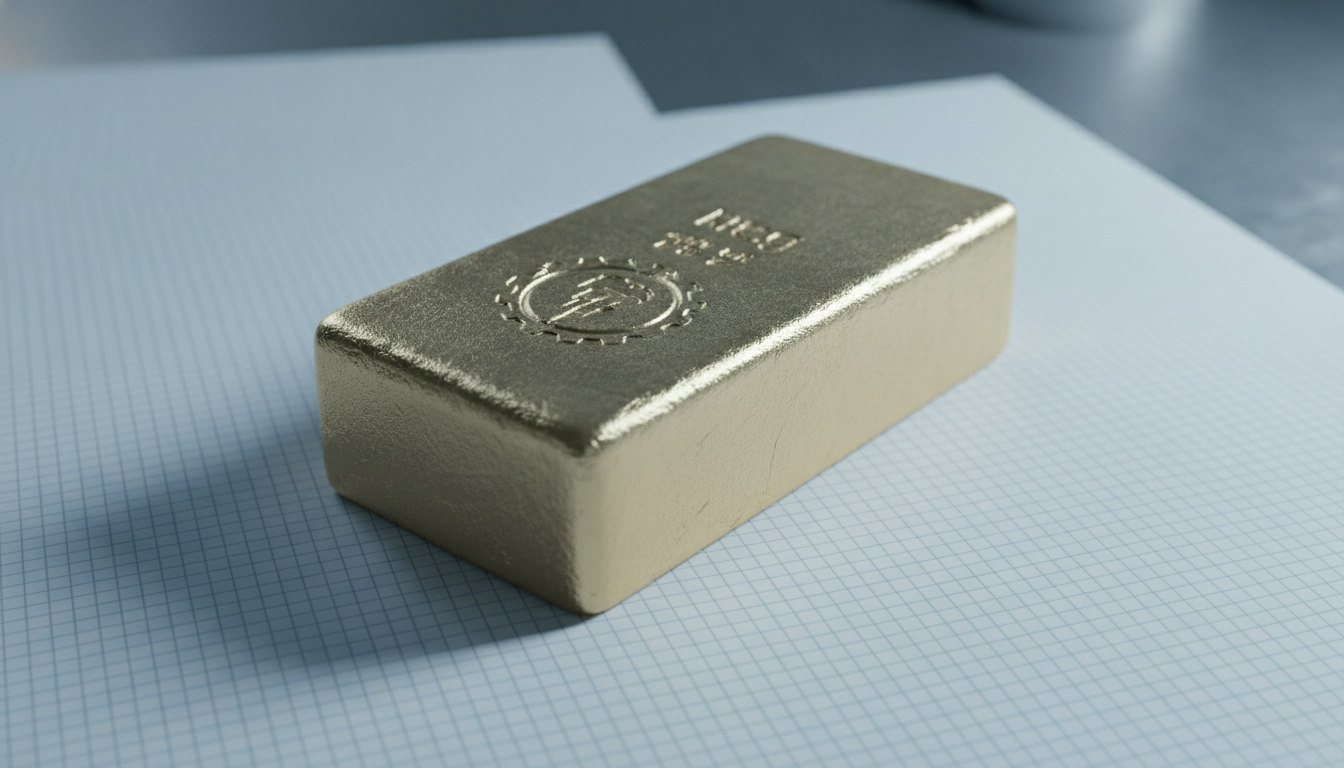
Gold ran this week, and the desk read it as a macro move rather than a physical one. The metal extended its gains to around $4,200 an ounce on Wednesday, reaching its highest level since June 18. Two forces drove it: easing geopolitical tension and softer US labor data, both feeding expectations of a less aggressive Federal Reserve. When those two lines point the same way, the tape moves faster than the physical trade can react, and that is exactly what happened here.
The intraday tape
The move built over a few sessions. Spot traded at $4,051 per ounce as of 10 a.m. Eastern on August 3, a $13 increase from July 31 and a $688 increase from a year earlier. By early Wednesday the JM Bullion live quote had the ounce at $4,279.93 at 2:02 a.m. EDT, before the $4,200 handle settled in as the reference during US hours. That is a fast repricing inside three sessions, and the refiners moved with it. Scrap desks widened margins and bullion flows picked up on the strength.
The gap between the $4,279.93 overnight print and the $4,200 US reference is the part a floor dealer watches. That is thin, illiquid trading getting run in the small hours and then giving some back once New York opens with real size. It tells you the buying is coming through the paper market first, not off physical counters, which fits the read that this is macro money repricing the Fed path rather than jewelers and refiners chasing metal. The $688 year-over-year gain is the number that reframes everything. A dealer who bought inventory a year ago is sitting on a different book entirely, and every hedge, memo, and consignment line written against gold has to be marked to a level nobody was modeling last summer.
The geopolitical piece is doing real work. President Trump said the US and Iran held very good discussions on Tuesday, raising hopes of a deal to end their five-month conflict. Ordinarily a peace headline pulls the safe-haven premium out of gold. This week the metal rose anyway, because the same softer labor data that eases war-risk fears also strengthens the case for Fed cuts, and the rate read outweighed the risk read. That is the tell. When gold shrugs off a peace headline and climbs, the market is telling you the bid has moved off fear and onto rates and structural demand.
The structural bid
Underneath the macro noise the central bank story is the one that matters for the trade. According to the World Gold Council's Q2 Gold Demand Trends report, published July 30, central banks added a net 289 tonnes of gold in the second quarter, a 62 percent jump year over year and the strongest second quarter in the data series. That is not speculative flow. It is official-sector accumulation that puts a floor under any pullback and explains why every dip this year has been bought.
That 62 percent jump is the figure I keep coming back to. Official buyers are price-insensitive in a way that dealers and retail never are. They accumulate on a policy timeline, not a chart, so they buy the dips that would scare out a used trader. For anyone carrying physical inventory, that changes the calculus on holding versus selling into strength. When the largest buyers in the market are structurally long and adding at a record pace, the downside case gets shallower, and the cost of being caught short metal in a squeeze gets steeper.
For perspective on the range, gold crossed $3,000 in March 2025 and peaked at $5,597.23 on January 29 of this year. So $4,200 is a recovery well inside the established band, not a new high. The metal has spent 2026 consolidating between the record and the low, and this week's move is the upper half of that range reasserting itself on macro tailwinds. Framed against that $5,597.23 peak, $4,200 is roughly a quarter off the high, which is why nobody on the desk is treating this week as a blowoff top. It reads as the middle of the range finding its footing, not the end of one.
Where it fits this week
The gold strength is one of several legs firming at once. Diamond prices steadied in July for the first time since March 2025, covered in the diamond report, and the watch auction rooms kept printing records, laid out in the watch column. When gold, stones, and hard assets all firm in the same week, it is usually the same money moving, and that matters for how a dealer allocates across the case. The full cross-asset read is in this week's market wrap.
What I am watching is whether the Iran talks produce a concrete deal. If they do, some of the risk premium that has been supporting the metal comes out, and gold would lean harder on the rate story and the central bank bid to hold $4,200. With official-sector buying running at a record second-quarter pace, that bid is the more durable of the two. The question is how much of this week's $200 move was rates and how much was fear that a deal could quickly unwind.





Comments 0
No comments yet. Be the first to share your thoughts.