
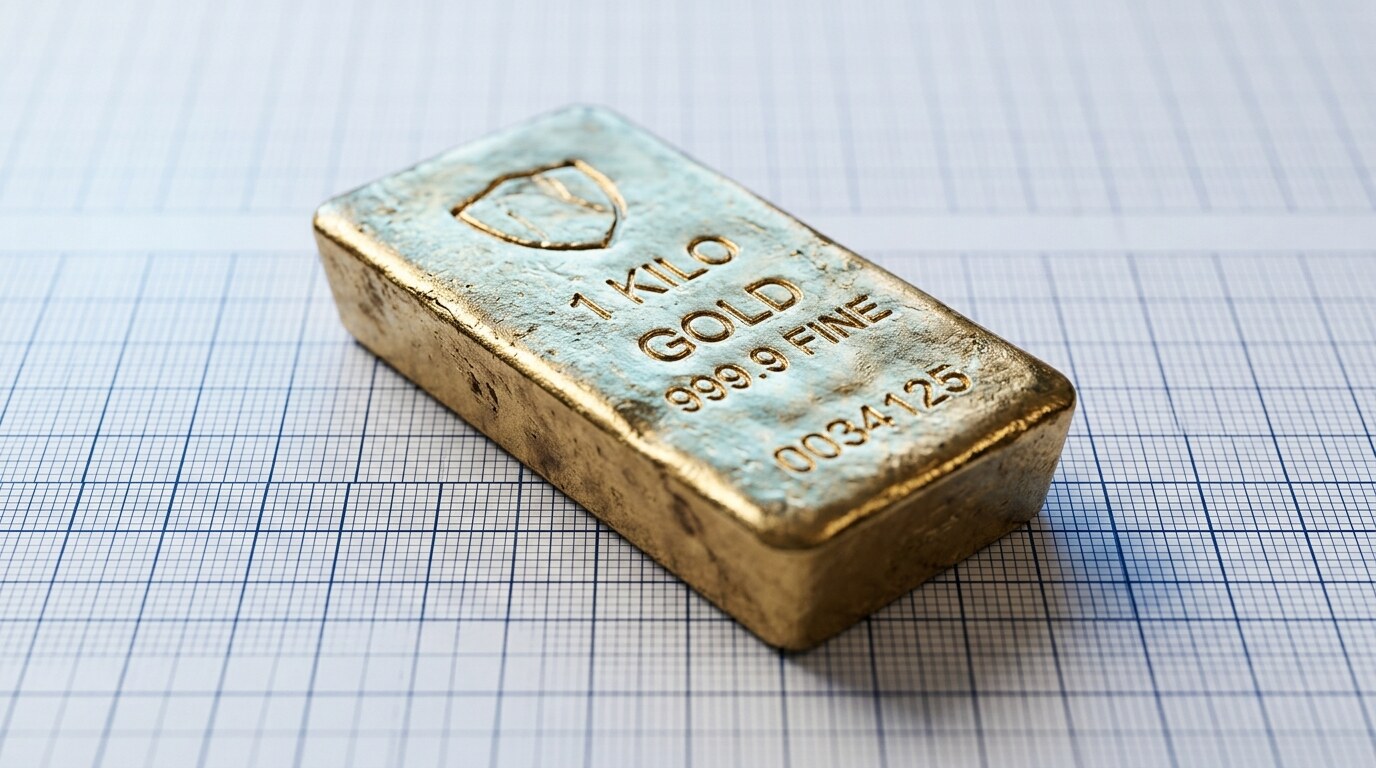
Gold ended the second quarter where it spent most of June, on the back foot. Spot traded near $4,030 an ounce into the quarter-end session, the weakest level since November 2025, after briefly slipping under $4,000 midweek for the first time in seven months.
The damage stacks up at every interval. Gold fell more than 11% in June, a fourth straight monthly loss. Across the quarter it dropped roughly 14%, the steepest quarterly fall since the second quarter of 2013 and the first quarterly loss since 2024. For a metal that spent 2025 setting records, this is the sharpest reset in over a decade.
The Fed did this
The cause is monetary, not physical. At the start of the year the market had the Federal Reserve penciled in for rate cuts. It now prices at least one hike before year-end, with September live and several desks positioned for more after that. Higher-for-longer real rates raise the opportunity cost of holding a non-yielding asset, and a firm dollar compounds it. The other leg is positioning: the dollar-debasement trade that powered 2025 has been unwinding, and Western fund money has been the marginal seller all quarter.
None of that is a demand-destruction story at the consumer level. It is a paper-and-positioning story, which is why the floor under the market has held even as the screen price fell.
Central banks are still the floor
That floor is the official sector. Central banks bought a net 244 tonnes in the first quarter, and the more telling development is the widening of the buyer base. The Bank of Korea is taking its first gold-related step since 2013, and Bank Negara Malaysia made its first net purchase since 2018. New entrants joining the established Asian buyers matters more than any single month's tonnage, because it signals reserve diversification rather than tactical trading.
This is the structural difference between now and the 2013 washout that this quarter's drop nominally resembles. The 2013 break had no central-bank bid beneath it and came as physical demand sagged. This decline is happening while official-sector buying broadens. A dealer who remembers 2013 should be slow to assume this slide runs as far.
The broadening matters for a second reason. When only a handful of large buyers drive official demand, the market can fixate on a single country's monthly report. A base that now includes Korea and Malaysia alongside the established Asian buyers is harder to spook, because no one print defines the trend. That is the structural support a dealer should weigh against the headline price.
What it means for the metal trade
For refiners, jewelers and anyone carrying physical, the read is mixed but net constructive at the counter. The input cost that crushed finished-jewelry margins through the spring has eased meaningfully off the highs, which gives manufacturers and retailers a little breathing room on price points going into the second half. We tied that relief to the diamond and watch data in the trade week wrap, and it shows up in the firmer finished-goods demand De Beers reported in our diamond desk piece.
The flip side is scrap and trade-in flow. A falling spot price typically thins the supply of scrap crossing the counter, because sellers wait for better levels, so refiners should expect feedstock to tighten if the price keeps sliding. Two-tone and gold-content watch pieces also re-rate against a lower metal price, a dynamic I flag in our watch market note.
The flow picture is the one to watch next. Through 2025 the dominant trade was metal moving west into vaults as funds chased the debasement story. A quarter of fund selling reverses that pull, and Swiss refiners that ran flat out feeding Western demand now face a softer order book even as Asian official buying holds. The result is a market caught between a paper-driven selloff and a physical bid that has not gone anywhere, which is the kind of tension that produces sharp two-way moves rather than a clean trend.
The number that decides the third quarter is the September Fed meeting. If the market is right that a hike is coming, gold has more downside to price. If the data turns and the Fed stays put, a market this short and this oversold can snap back fast. The open question is whether 244 tonnes a quarter of official buying is enough to catch the metal before the next handle, or whether $4,000 gives way for good first.





Comments 0
No comments yet. Be the first to share your thoughts.