
The Fed Reset Hits the Tape
Spot gold traded at 4,178.25 dollars on Friday morning, the lowest print of the week. The metal dropped under 4,200 in the New York session after the Federal Open Market Committee left rates unchanged on Wednesday June 17 and the dot plot showed nine of nineteen voting and non-voting members now expecting at least one rate increase later in 2026. The dollar index pushed to a one-year high inside the same window, and that is the proximate cause of the gold tape going one direction all afternoon Wednesday and Thursday.
For the metals desk at any boutique that quotes spot live, the Wednesday afternoon was the only thing that mattered this week. Pre-meeting the consensus had three cuts priced in for the back half. Post-meeting the curve is flat through October with the first cut now pushed into Q1 2027. That repricing took 130 dollars off spot in two sessions.
The PBoC Keeps Buying Anyway
The Peoples Bank of China reported on June 7 that its gold reserves rose to 74.96 million ounces at the end of May, an increase of roughly 10 metric tons against the April reading. That marks the 19th consecutive month of additions and the largest single-month accumulation in 16 months. Since the PBoC resumed disclosed purchases in November 2024, the cumulative addition is approximately 67 tons.
The pattern is consistent and the disclosure cadence is monthly, but the price action does not reward the structural buyer in any given week. PBoC bid is patient, mostly handled through agent banks in London and Shanghai, and the disclosures only confirm what the trade has already inferred from premium behavior in the Shanghai Gold Exchange. What the disclosure does is keep the structural narrative intact even as positioning-driven moves whip the spot price around.
Beyond Beijing, the broader official sector is still accumulating. The World Gold Council reported global central bank purchases of 244 tonnes in Q1 2026, up 17 percent quarter on quarter and above the five-year average. Poland added 31 tonnes, Uzbekistan 25, and Kazakhstan 12 in that period. The depth of the buying community has widened, and the average central bank holding period for new additions runs longer than any tactical money on either side of the trade.
What the Dealer Floor Saw
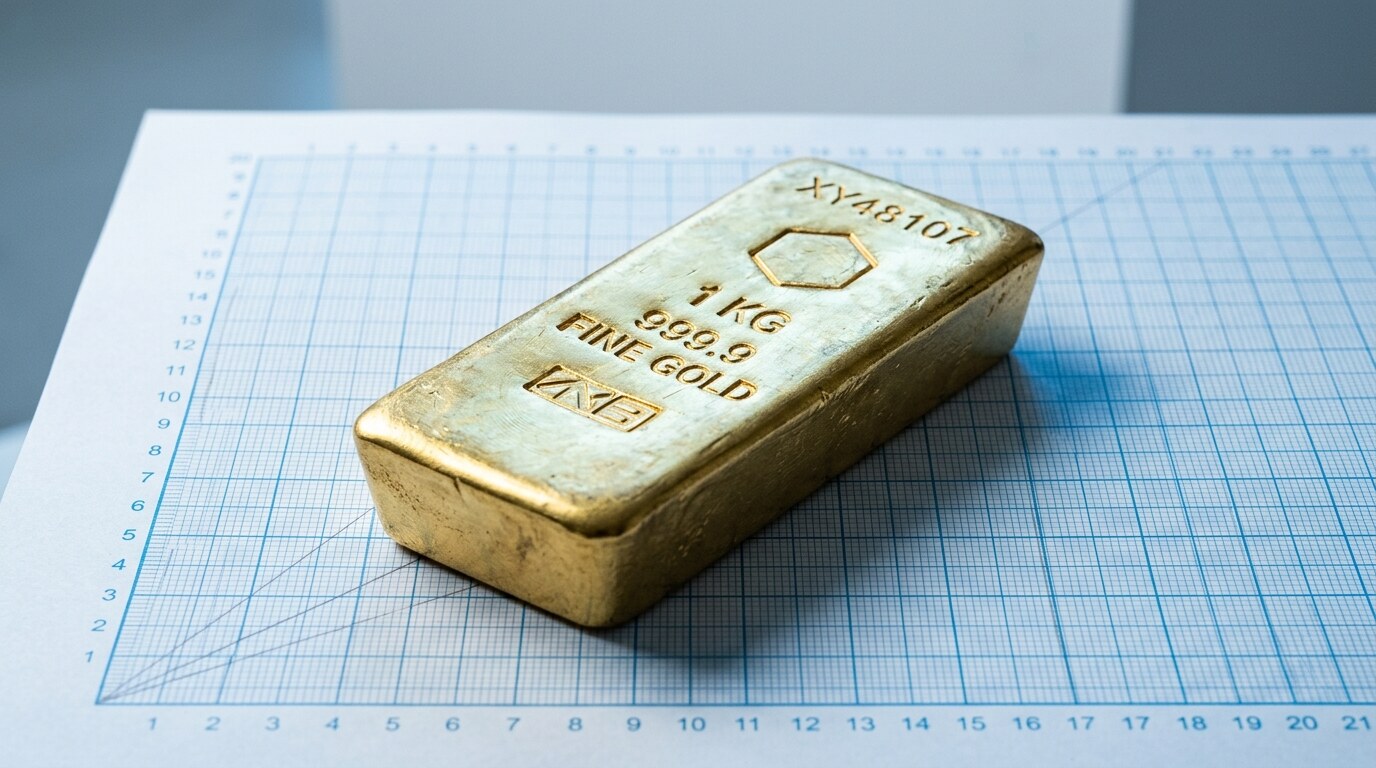
Kilo bar premiums on the IWJG circuit held firmer than spot would suggest through the week. Refining flow into the major Swiss refiners through Wednesday remained tight, with COMEX eligible stocks still ample but the deliverable bar pipeline moving slower. Scrap rates at the boutique level were a touch wider on Friday morning as some retail flow tested the door looking to lock in pre-decline pricing, though the volume was not heavy.
What that combination tells the floor is that physical demand has not gone away. Spot is reacting to dollar and rate expectations on the screen, but the bar and grain market is still tight. That asymmetry is the one to watch through the back half of June.
Silver Disconnect Worth Tracking
Silver closed Friday around the 70 dollar handle after holding around 70.98 on Monday. The metal traded above 120 dollars in spring 2026 before collapsing to 60 in May, and the recovery into the 70s has come on a mix of industrial demand and investment flows in India and the Gulf. Jewellery demand for silver is at multi-year lows and Pandora has formally pivoted into platinum-plated alloy collections to reduce silver input cost exposure, a structural decision that will not reverse if silver stays above the 65 floor.
Solar manufacturers have cut silver content per panel by roughly 19 percent across the 2025-2026 deployment cycle in response to elevated prices. That demand destruction at the industrial level is one of the reasons silver has been a higher-beta trade than gold in both directions this year. The disconnect between silver and gold this week was muted, but the medium-term divergence remains real.
What Comes Next on the Spot Tape
The data calendar through the end of June carries one consequential print: the next Personal Consumption Expenditures release at the end of the month. A soft PCE will put cuts back on the calendar and reverse the dollar move. A hot PCE will validate the dot plot and keep the bid soft. There is no third scenario that the desk needs to plan against this week.
For dealers writing inventory bids, the immediate posture is to lean shorter on positioning and let the PBoC do the structural work. The 19-month streak continues, the official sector buying remains broad, and that is the floor under any pullback. The previous week's spot action in the wider context is unpacked in our trade week wrap, and the read on Indian gold demand into the autumn festive cycle is in the India export piece.
The number to circle is what spot does the morning after PCE. If 4,150 holds on a hot print, the trade has a base. If it does not, the next stop is closer to 4,050 and the entire FOMC narrative gets re-litigated.





Comments 0
No comments yet. Be the first to share your thoughts.