
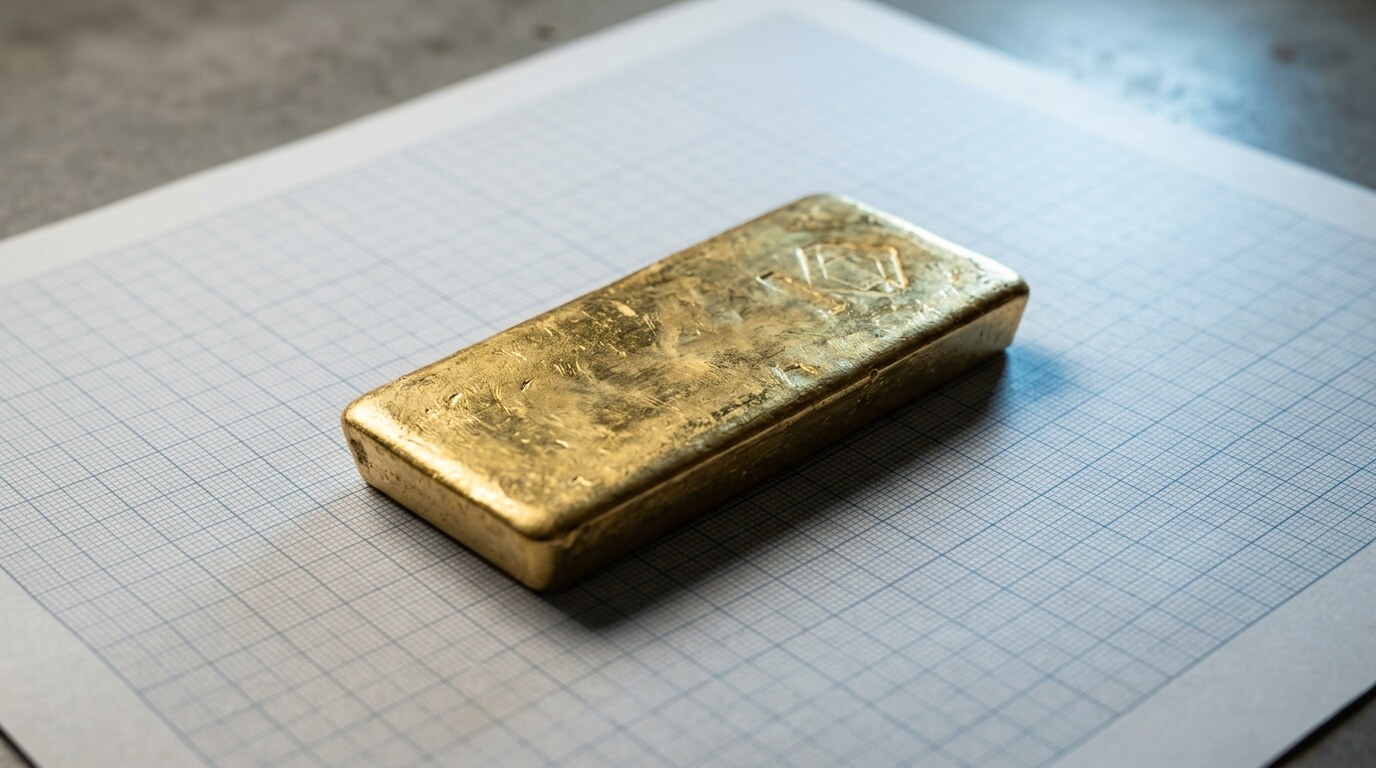
Gold tests below $4,000 and steadies
The metal that has set the cost of every casting job this year finally gave ground. Gold broke below $4,000 for the first time since last autumn during the week ending July 17, and it has spent the two weeks since rebuilding a footing above that line. On Thursday, July 30, spot traded at $4,066.66 an ounce, down $1.89 on the day, and by July 31 it had firmed to $4,086.21. Over the past month the price is actually up 1.36%, so the sub-$4,000 print reads as a test of the floor rather than the start of a slide.
From the counter that stability matters more than the exact number. A metal that sits in a tight band lets a jeweler quote a price that survives longer than a single week, and it takes the panic out of inventory carry. The all-year climb was the problem. A pause near $4,000, even with a dip through it, is the kind of pattern a bench can actually plan around.
Central banks set a record in the second quarter
The reason the floor keeps holding sits with the official sector. The World Gold Council's Gold Demand Trends report, out July 30, logged a record 288.9 tonnes of central bank buying in the second quarter, up 62% year over year. That is the single largest quarterly official-sector print in the series, and it landed in the same quarter that gold tested below $4,000. When the biggest, least price-sensitive buyers step up as the price dips, the dip does not last.
Poland led the quarter with 51 tonnes, and China added 33 tonnes. The Chinese buying is the streak worth watching: the PBOC bought 480,000 troy ounces in June, its biggest single month since October 2023, and that extended its run of consecutive monthly purchases to 20 months. Our week wrap sets that buying against the rest of the week's movers, because a bid this steady is the backdrop to everything else in the metals complex.
Where the physical metal is going
The flow behind the numbers matters as much as the totals. A record quarter of official buying pulls physical metal out of the market and into vaults that rarely sell, which tightens the float that dealers and refiners actually trade. That is part of why a dip toward $4,000 met buyers so quickly: the available supply above ground is thinner than the headline price suggests. For a refiner or a bullion desk, twenty straight months of PBOC accumulation is not a data point to note and move past. It is the structural reason scrap and secondary metal keep finding a ready bid even on down days.
What a firm floor does to the trade
A gold price that holds near $4,000 rather than running to new highs is, on balance, good for the bench. It steadies the cost side without collapsing the value of the metal already in the case, and it lets a retailer hold a quote. The secondary watch market is reading the same calm. Our watch desk notes secondary retention firming as the metal steadies, and steel sports pricing is easier to set when spot is not moving under it.
The risk to the picture is a genuine break of the $4,000 handle that the official sector does not immediately buy back. Nothing in the second-quarter data points that way. The counter's read is straightforward: with central banks taking a record 288.9 tonnes in a single quarter and China buying for a twentieth straight month, the open question is not whether $4,000 holds but how much higher the next leg runs once the buying resumes in size.





Comments 0
No comments yet. Be the first to share your thoughts.