
Gold spent the week giving ground. Spot printed $4,114 on Tuesday, June 23, after fixing near $4,148 at London's 3pm auction on Friday, June 19. That Friday tag was the metal's lowest in 30 weeks, and it closed out a 0.9 percent weekly loss, the third consecutive down week. For a market that opened the year in a near-vertical rally, this is the longest stretch of selling the trade has seen in months, and the holiday-thinned Juneteenth session offered no support to stop it.
Warsh sets the tone
The pressure traces to one source. Kevin Warsh was sworn in May 22 as the 17th Fed chair, and he used his first FOMC on June 16 and 17 to hold rates and commit publicly to bringing inflation back to target. The market read that commitment as a hawkish surprise and sold the metal through the back half of the week. On Friday alone, spot dropped roughly $43, or about 1 percent, to trade near $4,165 before settling toward the $4,148 fix. One London desk described it as the hardest braking in the gold price since 1981, which captures the speed of the repricing even if the level is still historically high.
The longer arc gives the move proportion. Gold ran almost 30 percent in January to an all-time high near $5,600, then corrected once Warsh's nomination eased fears over Fed independence and reset rate expectations. From that January peak, the metal is now off roughly 25 percent. This is a repricing of monetary expectations, not a collapse in physical demand. The metal had already taken a similar blow on June 5, when a much stronger-than-expected May payrolls print of 172,000 jobs against an 85,000 forecast knocked it more than 3 percent in a single session.
The official bid has not left
Central banks remain the floor under this market. The People's Bank of China added about 9.95 tonnes in May, its largest single-month purchase in 16 months, according to data the bank reported on June 7. That follows a net 244 tonnes bought across the official sector in the first quarter, up 3 percent year on year and above both the prior quarter and the five-year average. The buying paused in March, when the sector turned net seller, then resumed in April with 17 tonnes of net purchases. Poland has been the standout, with the National Bank of Poland buying 14 tonnes in April alone to bring its year-to-date total to 45 tonnes. When the price falls on rate repricing while sovereigns keep accumulating, the selling tends to be financial rather than structural.
Refining and the dealer floor
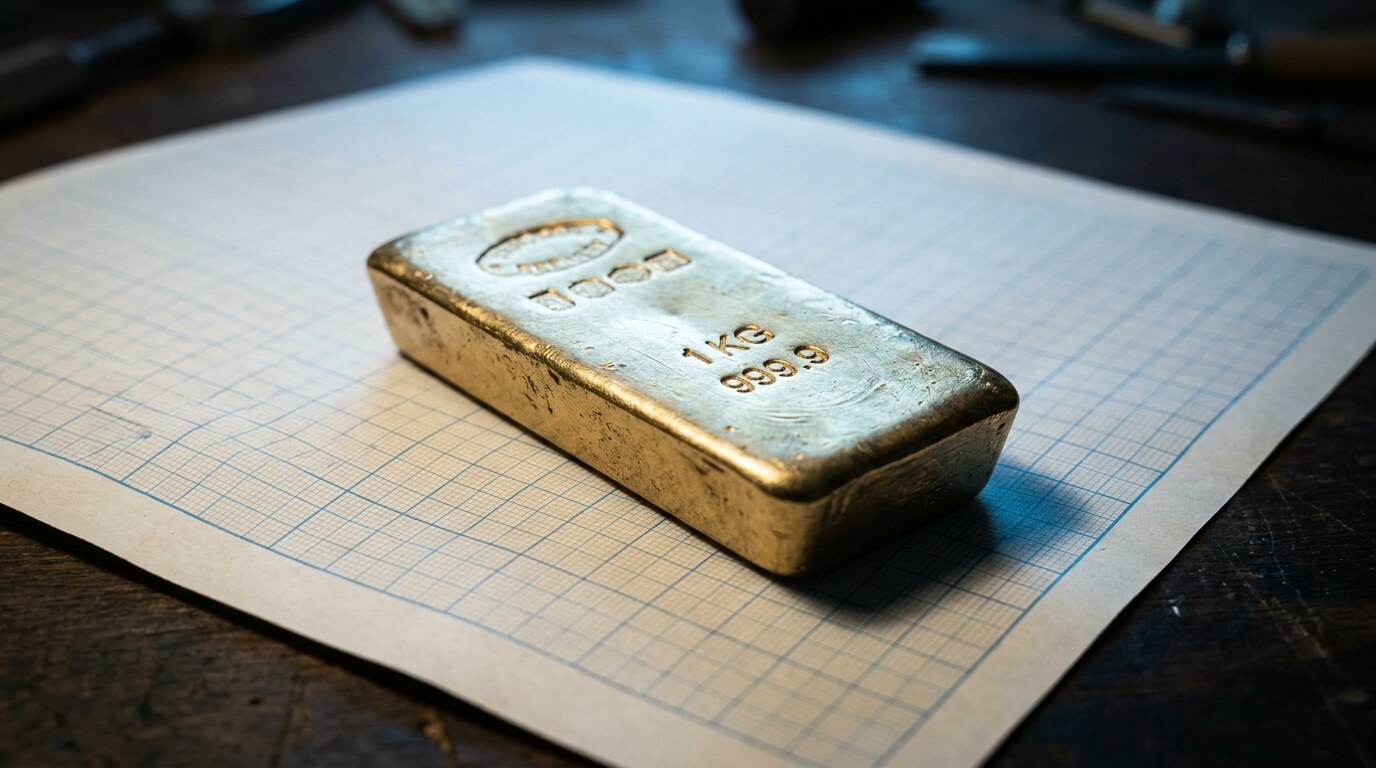
For the bullion desk, a $4,114 spot against a January high near $5,600 changes the calculus on scrap and kilo bars alike. Lower tags pull marginal scrap off the market as holders wait for a rebound, which tightens refinery feedstock even as investment demand cools. Premiums on kilo bars and the over-the-counter physical trade tend to firm in exactly this kind of tape, because the people who would sell into a rally go quiet on a decline. Two-tone and gold-steel watch buying, up 34 percent in the latest Swiss export figures, is the same instinct expressed in horology: keep the metal exposure, trim the metal weight. The cross-asset picture runs through our watch market report, and the full weekly tape is in our trade week wrap.
The number that matters next
Morgan Stanley still frames a path back toward $5,200, but its analysts pin it to a single cooler inflation print that would let Warsh soften his stance. That is the whole trade in one line. Until the next CPI release either confirms or breaks the hawkish read, $4,114 and a 30-week low stand as the market's honest assessment of a Fed that just told it rates are not coming down soon. For the physical trade, the practical posture is patience: hold inventory, keep premiums firm, and let the financial sellers exhaust themselves while the central banks keep buying underneath. A market down 25 percent from its peak with sovereign demand still running 244 tonnes a quarter is correcting, not breaking, and the difference matters for anyone deciding whether to sell metal here or wait.





Comments 0
No comments yet. Be the first to share your thoughts.