
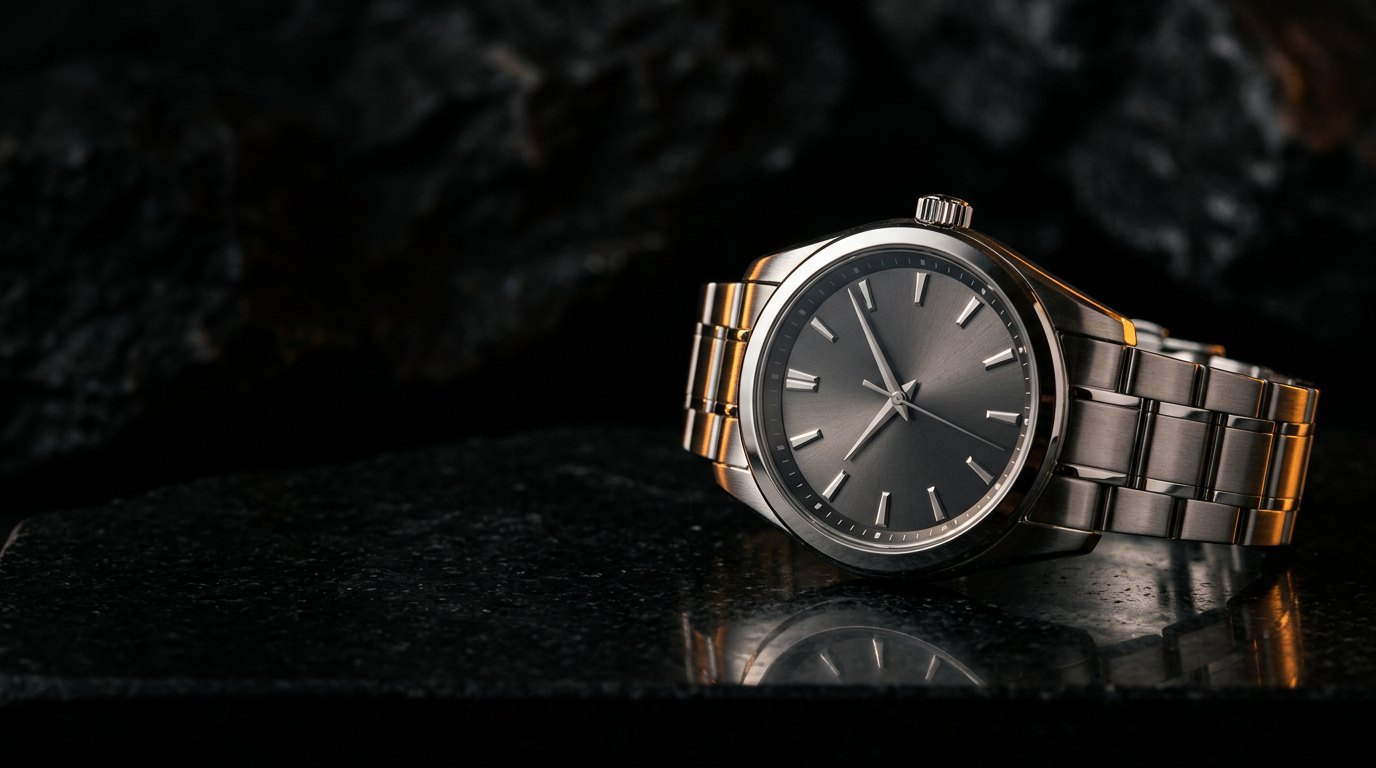
The watch market is not collapsing. It is also not flying blindly upward the way some people want to believe. Right now, the better word is resilient.
That matters because there is too much lazy thinking on both sides of the conversation. One side keeps calling for a crash every time the market softens around the edges. The other side treats every rumor, every price bounce, and every supply shortage as proof that the best brands can only go higher forever.
The truth is somewhere in the middle.
The Market Is Softer Than the Hype
Swiss watch exports were down in 2025, and the Swiss Watch Federation described the year as one of "significant uncertainty" with "increasingly demanding market conditions." January 2026 also started softer, with Swiss watch exports down 3.6% year over year to CHF 1.9 billion.
The stronger part is that the market has not broken. Morgan Stanley and LuxeConsult's 2025 brand rankings show the biggest names — especially Rolex, Patek Philippe, Audemars Piguet, and Cartier — continuing to gain sales and market share even while much of the broader Swiss industry struggled.
New-Watch Pricing Is Still Extremely High
Rolex raised U.S. prices by roughly 7% in January 2026, with steel models up about 5.6% on average and precious-metal references closer to 8–9%. WatchPro also reported new-year price increases from Audemars Piguet and Tudor, while Patek Philippe made U.S. pricing adjustments in early 2026 as well.
That does not automatically mean prices are about to collapse. But it does mean the market has less room for careless optimism.
Tariff Relief Could Ease Pressure
The United States had imposed a 39% tariff on Swiss imports before a preliminary agreement reduced that to 15%. As of March 2026, talks were still ongoing to formalize that arrangement.
Lower tariff pressure does not always mean brands will quickly cut retail prices. It would be a mistake to assume that every brand will suddenly hand back pricing power once it has already been taken.
Rolex Is Still the King
Morgan Stanley and LuxeConsult estimate Rolex generated roughly CHF 11 billion in sales in 2025, up 4% year over year, even as volumes declined for a second straight year to about 1.15 million watches.
Rolex is still king not just because of hype, but because it continues to combine scale, scarcity, brand trust, global recognition, and liquidity better than anybody else.
Patek Philippe Holding Up Extremely Well
Patek Philippe continues to look like one of the healthiest names in the high-end market. WatchPro reported that Patek was the best-performing major brand on the secondary market in 2025, with prices up 12.1%.
Audemars Piguet: Not Broken, Normalizing
AP remains very strong by almost any ordinary standard. But AP secondary prices had slipped below retail for the first time since 2022. The right read on AP is not panic. It is normalization.
Outside the Top Tier, the Market Is Harder
Outside a small handful of names, much of the secondary market still trades at heavy discounts to retail, often 25% to 35% below MSRP.
That split matters because it tells you this is not one "watch market." It is several markets at once. There is a Rolex market. There is a Patek market. There is an AP market. And then there is a much broader market where brand power, discounting risk, and buyer hesitation look very different.
Final Assessment
The watch market is not crashing. It is selective. The strongest brands are still strong. The best merchandise is still scarce. But the economy, tariffs, and global instability are still the real variables to watch.
The smarter view is to respect the strength, recognize the pressure points, and wait to see which forces matter more over the next stretch: brand power and limited inventory, or a tougher macro environment that finally slows demand more meaningfully.




Comments 0
No comments yet. Be the first to share your thoughts.