
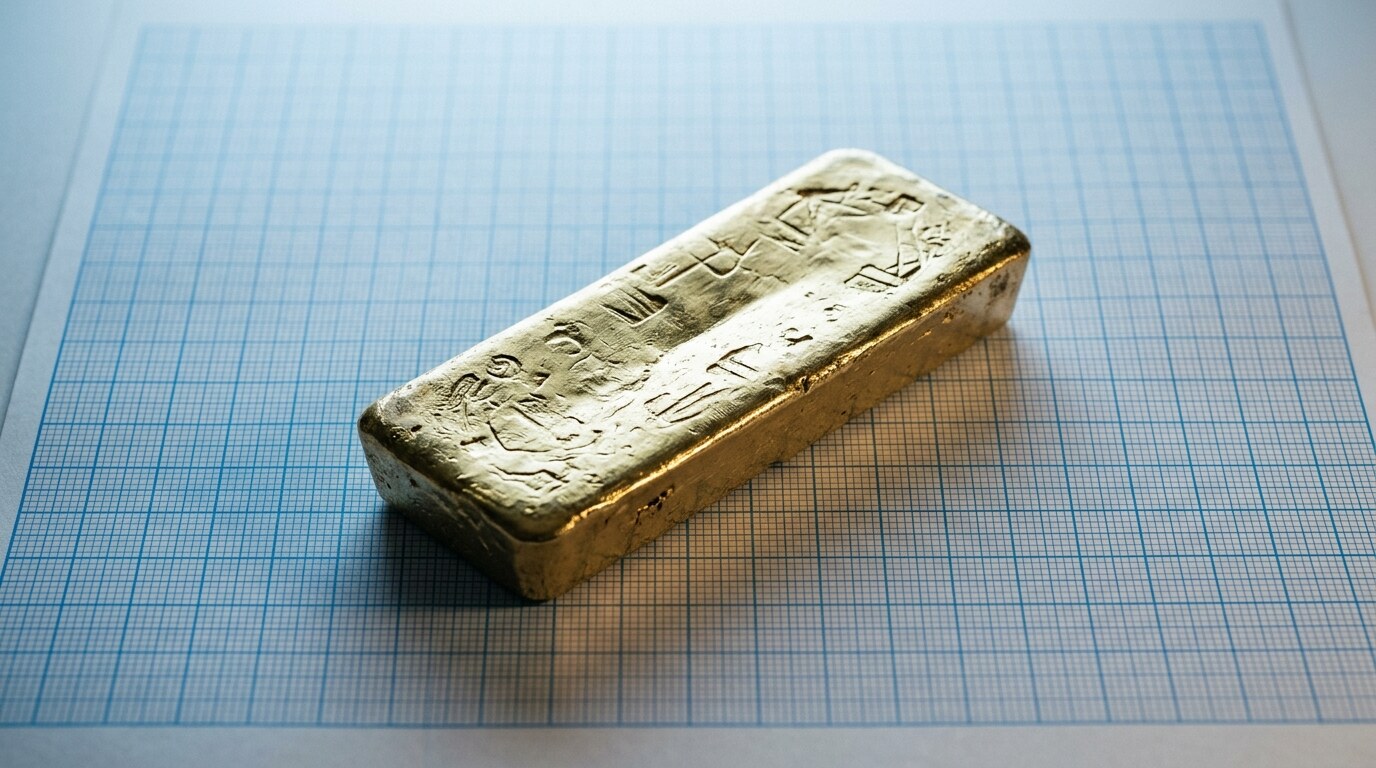
Gold gave back the week. Spot slid beneath $4,100 midweek, printing near $4,076 on July 8 before firming to about $4,111 by Friday, leaving the metal down roughly 1.7% and erasing most of the bounce that followed last month's soft payrolls. The move was not about physical demand. It was about the Fed.
From jobs shock to give-back
The reversal stings more because of where gold started the week. A weak June payrolls report had pushed the metal to its first weekly gain in five just days earlier, and the trade had begun to believe the cut narrative was back. The minutes ended that in a single afternoon. Two-way volatility like this, big up on data and big down on the Fed, is the signature of a market with no strong conviction on the next move, and it makes carrying large metal positions expensive in nerves if not in dollars.
The minutes did the damage
Minutes from the June 16 to 17 FOMC meeting landed hawkish. The record showed a committee split almost evenly, headlined as a nine-to-eight divide, with several policymakers arguing a case for another hike before rates were ultimately left unchanged. Officials flagged upside risks to inflation and signaled some additional firming could be warranted. For a market that had priced cuts, that was a cold shower. The dollar index firmed toward 101 and the ten-year Treasury yield pushed to a two-week high, and gold, which pays no coupon, sold off against both.
Iran adds oil to the fire
Renewed US-Iran strikes complicated the picture. Ordinarily geopolitical risk sends a safe-haven bid into gold, but this time the sharper reaction came in oil, which jumped and revived the inflation worry that keeps the hawks vocal. Higher oil feeding inflation expectations, feeding rate-hike odds, feeding the dollar, is the chain that pulled metal lower even with missiles flying. That is an unusual setup, and it tells you the Fed is the dominant driver right now. When a geopolitical flare-up sends gold down rather than up, the rate story has fully taken the wheel, and traders are treating every headline through the lens of what it does to the July meeting odds rather than what it does to safe-haven demand.
Silver and platinum take it worse
The white metals had the rougher week. Silver dropped about 4% into the minutes and sat near $60 an ounce after a slide of more than 10% on the month, with September futures opening around $58.88 on July 9. Hallmarked platinum scrap came off another 2.4% week over week on softer automotive demand expectations. For refiners and scrap desks, that means lower quotes across the board and a customer who suddenly wants to wait.
What it means at the counter
For dealers carrying metal, this is a pause, not a reversal. Kilo-bar buyers tend to sit on their hands when the dollar is firming and yields are climbing, and scrap flow slows when the spot price drops because the public reads headlines and holds. A quiet counter in July is seasonal on top of everything else; the show-season restock is done and the holiday buying has not started. None of the structural bid has gone away: central banks are still net buyers over the year, and the physical trade still treats dips as inventory opportunities rather than exits. The read across from the week's wrap is that metal is trading on rates while hard assets with a story trade on their own, a split the record Phillips auction made obvious in the watch results.
The date that matters
The next catalyst is the coming inflation print and the run-up to the July FOMC meeting. If the data confirms the hawks, the dollar stays firm and gold likely tests lower before it finds footing. If it undercuts them, the whole move can reverse in a session. Either way, the question the tape is asking is the one dealers keep circling: is $4,100 a floor the physical trade defends, or just a level on the way to the next range?





Comments 0
No comments yet. Be the first to share your thoughts.