
Editor's note: this Trade Week Wrap covers the week of June 30 to July 6 and is being published later than planned. The open question below, how gold's bounce would hold up into the July 29 Fed meeting, has since resolved. A soft June CPI print took a July hike off the table by mid month, the meeting passed without action, and gold gave back its bounce, dipping under $4,100 by mid July and sliding to $4,051 by August 3, before central bank buying (a record 289 tonnes in the second quarter) and easing geopolitical tension pushed it to $4,200 by August 6 and $4,356 by August 7. The reporting below reflects what the desk knew that week.
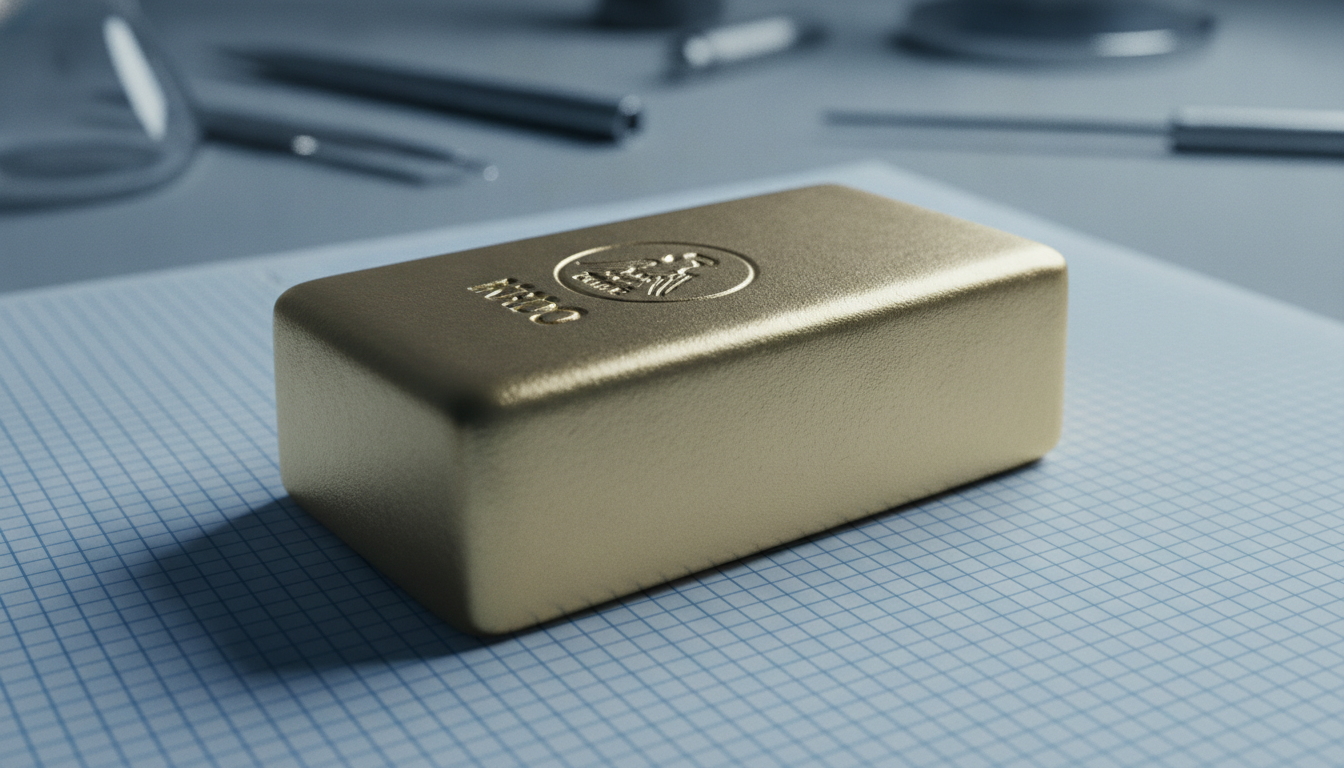
Gold traded near $4,143 an ounce Monday morning, holding onto a bounce that finally interrupted a five-week slide. The metal booked a 2.3% weekly gain the prior Friday, its first up week since late May, and sits roughly $835 above where it stood a year ago. For a bullion desk that spent the second quarter watching every hawkish signal knock the price lower, the pause is welcome, even if it is not yet a trend. This was the worst quarter for gold since 2013, and it takes more than one green week to call a bottom.
A soft print did the work
The catalyst was the June employment report. Nonfarm payrolls rose just 57,000, well short of the 110,000 to 115,000 economists expected, and the two prior months were revised down by a combined 74,000. April dropped 31,000 to 148,000 and May fell 43,000 to 129,000. The unemployment rate held at 4.2%, which kept the report from reading as an outright recession signal, but the trend in hiring is plainly cooling.
That was enough to reprice the rate path. The CME FedWatch tool cut the odds of a September hike to 50% from 66% before the report, and put the chance of a move at the July 29 meeting below 30%. Fed Chair Kevin Warsh has said inflation expectations and risks have come down, which the market took as a signal the committee is in no hurry to tighten further. In a year when the debate has been about hikes rather than cuts, a labor market that is losing steam takes the sharpest edge off the hawkish case. Silver traded near $62 and platinum near $1,656 as the same logic lifted the broader complex.
The bid that never left
What keeps me constructive on the floor here is not the jobs number, which will be revised again, but the central banks. The People's Bank of China added another 10 tonnes in May, its strongest single month since December 2024, extending a buying streak to 19 straight months and lifting official holdings to 2,332 tonnes, about 8.9% of its reserves. Central banks bought an estimated 244 tonnes in the first quarter alone, and that demand showed up on the price even through the worst of the second-quarter selling.
Poland has been the other steady hand, adding 14 tonnes in April to bring its year-to-date purchases to 45 tonnes and its reserves to 595 tonnes. J.P. Morgan projects roughly 755 tonnes of official-sector buying for the full year, with the World Gold Council landing in a similar 750-to-850-tonne range. That is structural demand that does not care what the FedWatch tool says on any given morning, and it is the reason dips have kept finding buyers. When a Chinese central bank keeps accumulating for 19 months straight while the Western speculative crowd sells the rate story, the metal has a floor that most macro traders underestimate.
What it means for the trade
For anyone carrying bar and scrap inventory, the practical read is that the downside pressure from the hawkish-Fed story has eased for now, without the physical picture changing much. Kilo bar demand and scrap flows follow the spot tape, and a metal that holds above $4,100 keeps refiners busy and keeps the counter buying steady at the shop level. When gold was sliding week after week, sellers held back scrap waiting for a better print. A firmer tape tends to loosen that supply and bring metal back across the counter. The broader weekly picture across watches and diamonds is in the trade wrap, and the metals rebound is also feeding the gold-and-steel demand described in the watch column.
The next real test arrives July 28 and 29. This FOMC meeting carries no fresh economic projections, so the statement wording and the Warsh press conference will move the price by themselves. The question for the desk is whether one weak payrolls print gives gold enough of a story to hold its bounce through a hawkish hold, or whether the metal hands the week back the way it did four times since Memorial Day.





Comments 0
No comments yet. Be the first to share your thoughts.