
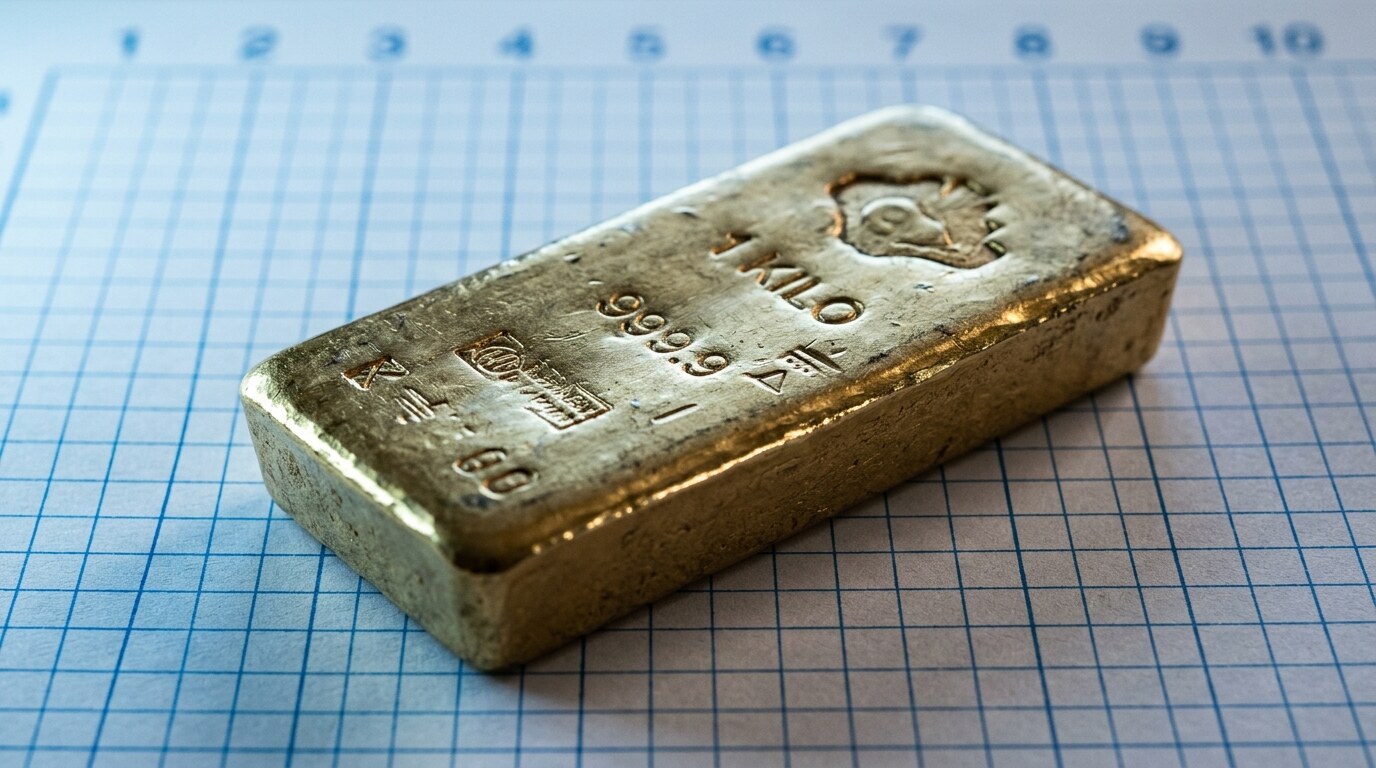
Gold spent the week giving ground it had held since last autumn. The metal slid under $4,000 on Thursday, traded near $3,985 into Friday, and headed for a weekly loss of roughly 3 percent, its worst five-session stretch in six weeks. The year-to-date low near $3,941 sat close enough to touch. For a market that spent the first half of the year trading a $4,100 to $4,700 band, a print with a three-handle changes the conversation on the floor.
Not a fear trade this time
What made the move notable was the backdrop. Tensions in the Middle East were rising through the week and crude was firmer, the kind of tape that usually puts a bid under bullion. It did not. Gold leaked anyway, which tells you the drivers were rates and the dollar, not risk appetite. The dollar index held firm, Treasury yields pushed higher, and real yields followed. When the cost of holding a non-yielding asset climbs, gold pays the price regardless of the headlines.
The rate story has two moving parts. June CPI came in below consensus, which took a July hike off the table and, on paper, should have helped gold. But the market is looking past July to December, and the futures now price near a 73 percent chance of at least one Fed hike before year end. New Fed Chair Warsh has kept his signals hawkish, and the June dot plot pointed toward future tightening rather than cuts. A market bracing for higher-for-longer is not a market that pays up for gold.
ETF money keeps leaving
The paper side made the selling worse. Physically backed gold ETFs saw $8.9 billion of outflows in June, with every region in the red. Global holdings dropped by 74 tonnes to about 4,047 tonnes, and total assets under management fell 13 percent to roughly $526 billion. Switzerland-listed, currency-hedged products took an outsized hit as the franc slid against the dollar. Those flows matter because ETF demand was a large part of the story that carried gold to its January high near $5,595. When that money reverses, it removes a steady, price-insensitive buyer from the tape.
Central banks, the other pillar of the multi-year bull case, have gone quiet at exactly the wrong moment. Net reported official purchases came to just 16 tonnes in the first quarter, a sharp drop from the roughly 1,000 tonnes a year pace the sector averaged since 2022. The People's Bank of China added eight tonnes in April, which is steady but hardly the aggressive accumulation that underpinned prior legs higher. With ETFs selling and official buyers on the sidelines, the demand stool is down to a leg or two.
The size of the round trip
Step back and the scale of the reversal is striking. Gold set an intraday high near $5,595 on January 29 and has since surrendered close to 28 percent of that peak. A move of that size was never going to unwind in a straight line, and the first half delivered exactly the choppy, headline-driven trade that pattern implies. Silver has tracked the same impulse, giving back much of the surge that ran alongside gold's spring rally. For dealers who built inventory near the highs, the second half is about patience and carry, not chasing the next tick.
What it means at the counter
For the physical trade, a sub-$4,000 print is a mixed bag. Scrap flow tends to slow when the spot number falls, because the public that lined up to sell into the January spike sits on its hands once the headline number cools. Refiners see it first. On the retail side, softer spot gives jewelers a little relief on metal cost, and Pandora's decision to lean into platinum-plated pieces this half is a direct read on how volatile gold and silver have made the costing math. A stable, lower gold price would be welcomed by anyone carrying finished inventory.
The bullion desks I talk to are treating $3,941 as the line that matters. Hold it and this looks like a pullback inside a bull market that ran too far, too fast off the January top. Lose it and the next real support is well below. The macro calendar hands the market its next cue quickly, with the FOMC meeting July 28 and 29 and roughly a two-thirds chance of no move in July, which puts the weight on the language about the path after that.
I laid out how the metals move fit into the broader tape in this week's trade week wrap, and the contrast with hard luxury is worth sitting with. While gold cracked, the auction rooms booked record watch numbers, a split I get into in the watch auction recap. The money did not leave the trade this week. It moved from the vault to the vitrine. Whether it comes back to metal depends on one number at the end of the month, and on whether $3,941 holds until then.





Comments 0
No comments yet. Be the first to share your thoughts.