
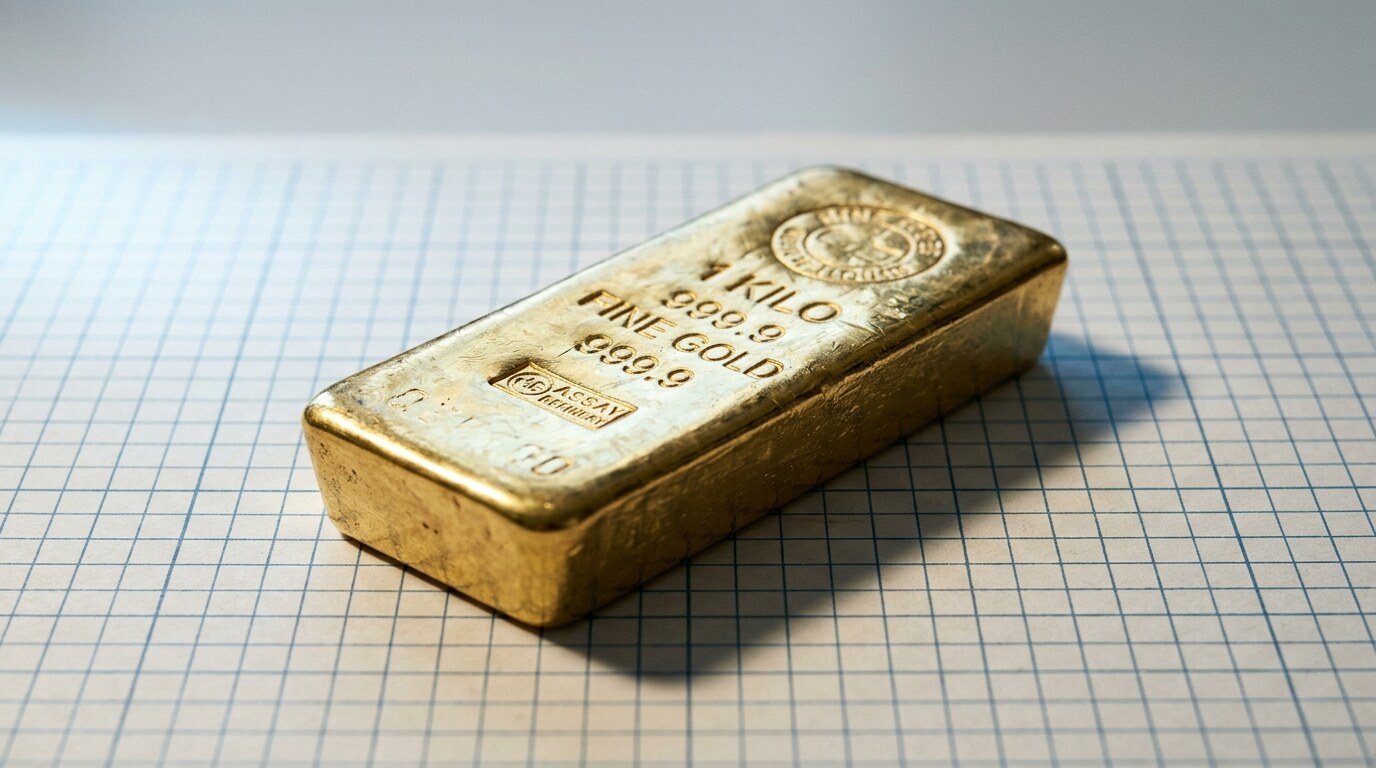
Metal holds the line
Gold rose to $4,087.14 an ounce on August 4, up 0.79 percent from the previous day, per Trading Economics. That sits above the $4,071.13 spot read JM Bullion quoted the evening before, so the metal firmed overnight rather than drifting into the session. Neither figure is dramatic on its own, but after a summer in which the four-thousand line looked fragile, a firm hold above it with a positive day is the kind of quiet strength that reads better than a spike. For anyone melting scrap, moving bullion or pricing refining flows, the number that matters is not the intraday tick but the fact that the four-thousand floor is holding rather than breaking.
The bid is official
The reason to trust that hold is who is doing the buying. Central banks added a net 289 tonnes of gold in the second quarter, a 62 percent jump year over year and the strongest second quarter in the data series, per the World Gold Council's Gold Demand Trends Q2 2026 report. That is not tactical positioning. It is reserve policy, and reserve policy does not reverse on a weekly price move. When the official sector is taking metal off the market by the hundred-tonne, it sets a different kind of floor than retail or ETF flows do.
Put the 62 percent jump in perspective. A single quarter of net official buying at 289 tonnes is the strongest second quarter the World Gold Council has recorded, which means the comparison is not against a weak year but against the whole series. This is the continuation of a multi-quarter pattern in which central banks have been the structural buyer under the market, not a one-off spike. When that behavior shows up quarter after quarter, it stops being a headline and becomes the baseline assumption every metal desk builds around.
Why the distinction matters
That distinction is everything for anyone pricing metal. A speculative bid can vanish in a single session, while a sovereign accumulation program runs for years. Retail can waver and funds can rotate both ways inside a week, but a central bank buying reserves at this pace does not turn seller because the price ticked up seventy-nine basis points on a Tuesday. The 289-tonne figure tells you the marginal buyer of gold right now is the least price-sensitive one there is, and that is the most important fact in the metal.
None of this means the price only goes up. Gold has already shown this summer that it can test four thousand and wobble, and a quarter of central-bank buying does not repeal volatility. What it does is change the character of the pullbacks. A dip becomes a level where official demand is waiting rather than the first step of a slide toward three thousand. For a bullion desk, that is the difference between hedging hard into weakness and treating weakness as an accumulation window, and right now the 289-tonne backdrop argues for the latter.
What it means for the flow
For the refining and scrap side of the business, the official bid carries a practical consequence. Metal that goes into a central-bank vault does not come back to the market the way jewelry scrap does when prices rise. It is removed from the float. That tightening of available supply is part of why the price has been able to absorb the summer's volatility without breaking down, and it is why the desks I deal with are more comfortable holding inventory than they were a quarter ago.
Gold's steadiness rhymes with what the rest of the trade printed this week. The diamond index turned positive for the first time in over a year, covered in our diamond market breakdown, and the watch auction season closed at a record, recapped in the trade week wrap. Across metals, stones and watches, the common thread is a market that has stopped falling and found a bid. The retailer stocking for the fall shows, previewed in our industry roundup, reads a firm metal price as one less reason to hold back.
The open question
The number to watch from here is whether the third-quarter central-bank pace holds near the 289-tonne mark or cools into a seasonally slower stretch. As long as the official sector keeps buying at anything close to this rate, the case for a sustained break below four thousand stays thin. The price at $4,087 is the easy part to read. The 62 percent year-over-year jump in sovereign demand is the part that tells you where the floor actually sits. The next World Gold Council read will show whether that pace held, and it is the report I will be watching more closely than any daily print.





Comments 0
No comments yet. Be the first to share your thoughts.